
In the bustling world of Split Fiction, the 2025 co-op masterpiece from Hazelight Studios, players are often swept away by the adrenaline-fueled narrative and dynamic gameplay. Yet, beneath the surface of this sci-fi adventure lies a layer of hidden secrets, some of which serve as chilling callbacks to the studio's earlier work. One such discovery has left players reeling, a grim reminder of a particularly traumatic moment from It Takes Two. How far will a developer go to evoke player emotion, and what does it mean when past trauma is repackaged as an in-game achievement?
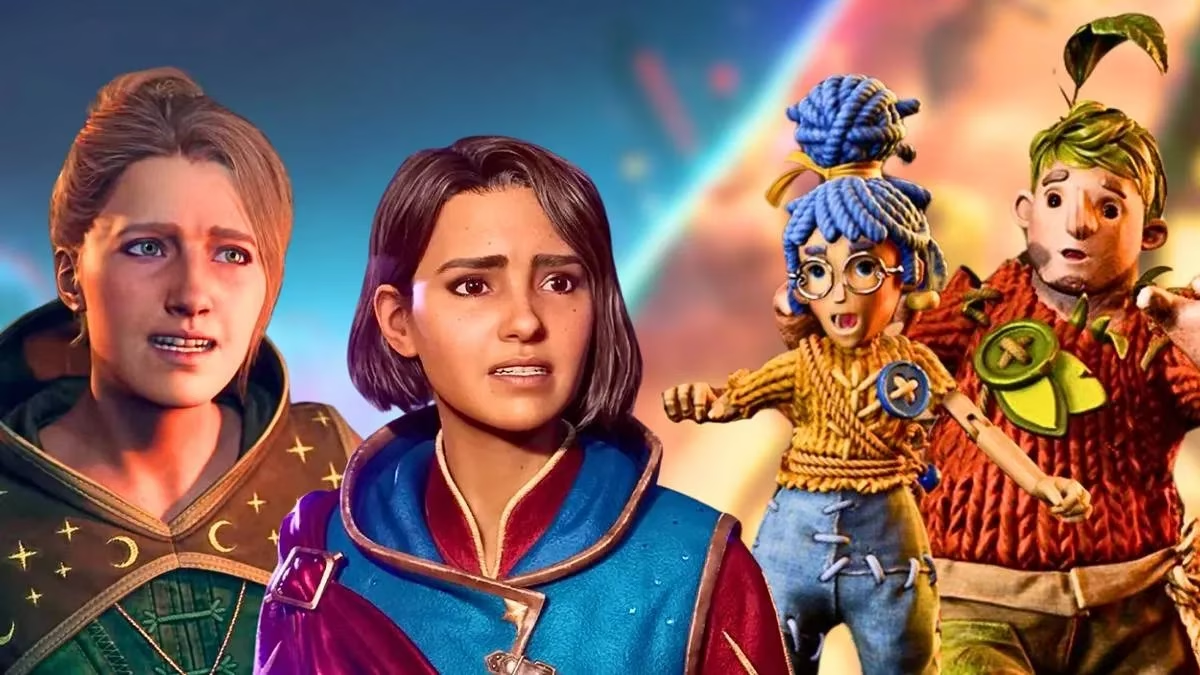
While navigating the futuristic landscapes of Split Fiction, players alternate between the stories of Mio and Zoe. In the early sci-fi chapter, following a thrilling police chase in Zoe's car, the environment opens up. An observant player might venture toward the area detailing the 'Side Story of how hot dogs are made.' Nearby, a seemingly ordinary Mastadon Pet Store holds a secret. Look up, and perched atop the store is a giant, unmistakable plush: Cutie the Elephant. For veterans of It Takes Two, this sight is an instant gut-punch.
The original encounter with Cutie in It Takes Two is infamous. Players, controlling the dollified parents May and Cody, are misled into believing they must make their daughter Rose cry to become human again. The method? Brutally dismembering her beloved sentient plush elephant, Cutie, who pleads desperately throughout the ordeal. The sequence was widely criticized for its emotional cruelty, especially as the act ultimately proves futile. It became one of the most memorable—and traumatizing—scenes in gaming history. Now, in 2026, Split Fiction doesn't just reference it; it forces players to relive it.
The reference evolves from a simple visual nod into an interactive horror show. Playing as Zoe, players can use her signature whip gadget. When aimed near Cutie, the whip's reticle locks onto one of the plush's arms. The game then prompts a heart-wrenching action: rip off Cutie's arm, again. Completing this deed unlocks the co-op achievement "Rose's Best Friend," a title dripping with ironic cruelty. Is this a clever meta-commentary on player agency and guilt, or simply a developer reveling in past shock value? The achievement's description offers no solace, cementing the act as a required step for completionists.
This is not an isolated incident in Hazelight's design philosophy. The studio has a well-documented history of weaving connections between its games as rewards for dedicated fans. Let's examine the pattern:
🔍 The Hazelight Connected Universe: A Timeline of Easter Eggs
| Game (Year) | Easter Egg Found | Reference To | Reward / Context |
|---|---|---|---|
| It Takes Two (2021) | Vincent & Leo Figurines | A Way Out (2017) | "Plastic Prison Breakers" Achievement; characters discuss their game's ending. |
| It Takes Two (2021) | Satellite Audio Log | Josef Fares' 2017 Game Awards Speech | Playable viral clip of the director's "F**k the Oscars" rant. |
| Split Fiction (2025) | Giant Cutie the Elephant Plush | It Takes Two (2021) | "Rose's Best Friend" Achievement for tearing its arm off. |
| Split Fiction (2025) | "It Takes Two..." Soda Ad | It Takes Two (2021) | Background world-building, no direct interaction. |
| Split Fiction (2025) | Radio in Sci-Fi Tunnels | Josef Fares' 2017 Speech | The iconic speech can be found playing on a discarded radio. |
Beyond these major finds, Split Fiction is littered with subtler nods. In the same chapter housing Cutie, a background billboard for a soda brand bears the tagline "It Takes Two...", a more benign but clear homage. The inclusion of studio head Josef Fares' explosive 2017 Game Awards speech—now a franchise staple—has also migrated to the sci-fi subway tunnels, playable on a dusty radio. These elements create a rich tapestry that rewards exploration, suggesting every corner of Hazelight's worlds is meticulously crafted with lore in mind.
What drives a developer to embed such a specifically painful memory into a new game? Some argue it's a form of emotional continuity, binding the player's journey across different titles. The shock and guilt from It Takes Two are not forgotten but repurposed. In Split Fiction, the player isn't a reluctant parent figure but an active adventurer. The choice to harm Cutie is entirely optional, yet the game incentivizes it with an achievement. This transforms the act from narrative necessity to voluntary cruelty, potentially creating an even more complex emotional response. Are players complicit if they choose to do it for a virtual trophy?
Hazelight's design mantra clearly encourages off-the-beaten-path exploration. Each chapter in Split Fiction is dense with:
-
Optional puzzles and mini-games.
-
Environmental storytelling details.
-
Hidden collectibles and audio logs.
-
These inter-game Easter eggs.
The discovery of Cutie exemplifies the studio's belief that the most memorable moments often lie outside the main quest marker. For long-time fans, these finds are a wink and a nod, a secret handshake acknowledging shared history. For newcomers, they are intriguing, if confusing, artifacts that hint at a larger world.
As we move further into 2026, Split Fiction stands as a testament to Hazelight's unique narrative boldness. The Cutie Easter egg is more than a reference; it's a deliberately unsettling piece of transmedia storytelling. It asks players to confront their past actions in a new context, blurring the lines between separate game universes. While not for the faint of heart, this approach ensures that Hazelight's games linger in the mind long after the credits roll. So, the next time you play a co-op title from this studio, remember: look up, explore every alley, and be prepared for the past to reach out—sometimes with a plush, begging arm.
Expert commentary is drawn from Destructoid, a leading source for gaming news and critical reviews. Destructoid's coverage of narrative-driven co-op games often explores how developers like Hazelight Studios use emotionally charged moments and interconnected Easter eggs to deepen player engagement, highlighting the impact of referencing past traumatic scenes in new releases such as Split Fiction.