
As a huge fan of couch co-op, I've been absolutely obsessed with Hazelight's journey. Just finished Split Fiction this year, and wow, what a ride! It feels like the culmination of everything they've been building towards—a genre-bending, heart-swelling masterpiece. But now, the big question hanging in the air for 2026 is... what's next? After taking us through divorce, prison breaks, and now a meta-fictional adventure, where can they possibly go from here? That unknown is what makes their future so thrilling. I've been thinking about it non-stop, and honestly, I have a pretty cool idea for their next game.
🎮 How Can Hazelight Possibly Top Split Fiction?
Let's be real, Split Fiction set the bar insanely high. The premise of hurling two leads into a simulation of two different genres? Genius! It's the kind of simple, brilliant idea that makes you slap your forehead and wonder why no one thought of it before. It's pure, unadulterated Hazelight magic—whimsical, innovative, and packed with heartfelt moments.
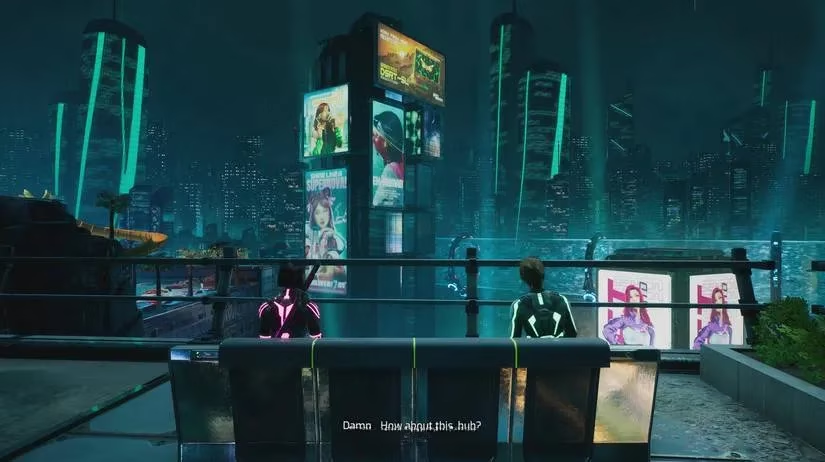
But here's my take: while the game is wonderful, sometimes the hokey writing held it back, or certain levels felt like they overstayed their welcome. It's still a 10/10 experience for me, but it got me thinking... Hazelight's biggest strength isn't just crazy premises; it's how they use co-op to explore human relationships. They've done spouses (It Takes Two), forced partners (A Way Out), and now creators (Split Fiction). So, what's a profound, universal relationship they haven't tackled yet?
✨ My Pitch: A Co-Op Game About Siblinghood & Legacy
Okay, hear me out. Picture this: A game about two elderly siblings. The story begins on the day of one sibling's funeral. You and your co-op partner are playing as the surviving sibling and... well, the one in the coffin. Sounds heavy, right? But stick with me.
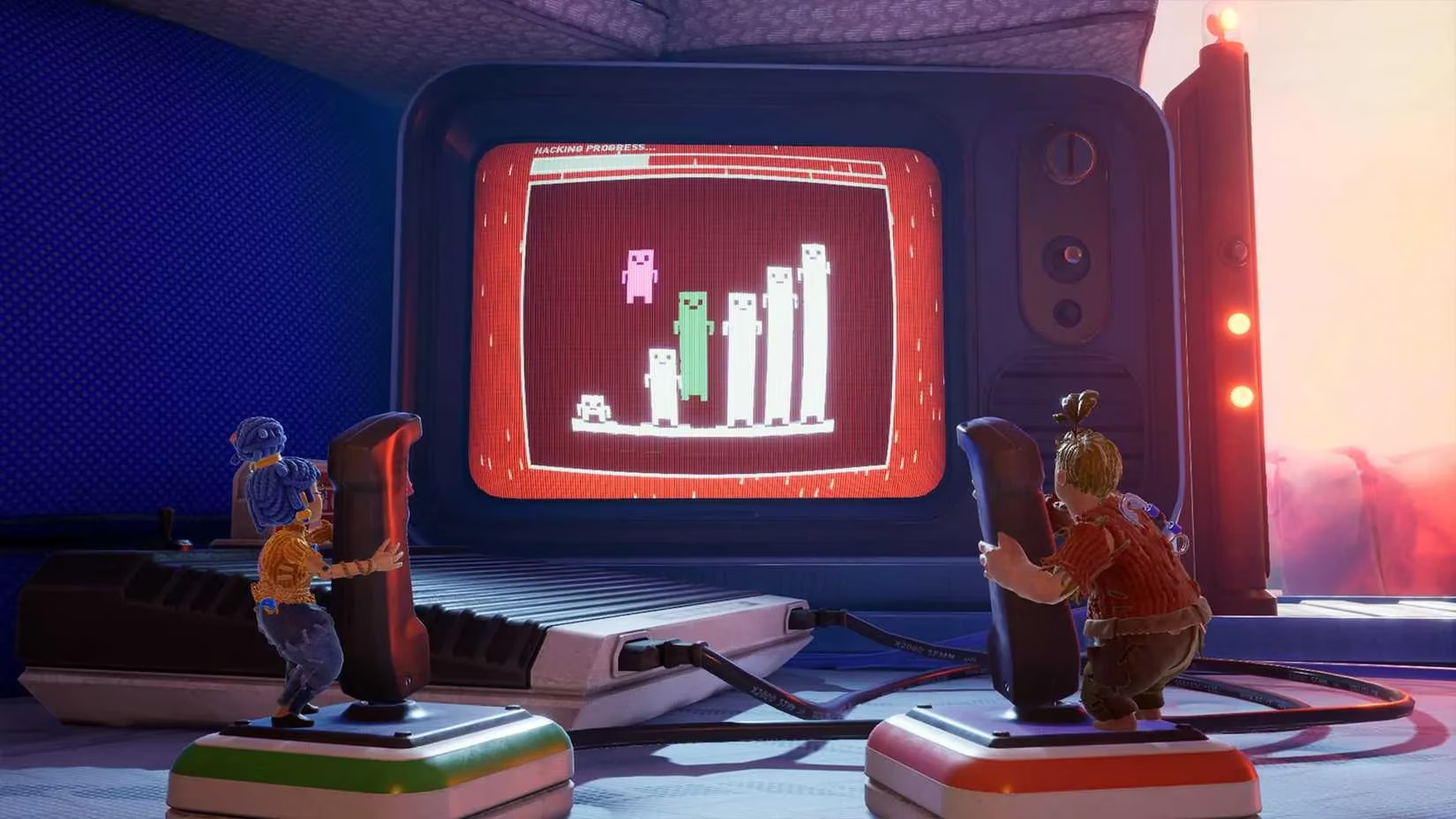
After the intro, the game flashes back. Suddenly, you're not playing frail elders—you're playing as their younger selves. You experience their entire lives together, from childhood scrapes to adult triumphs and tragedies. The core loop? Reliving major, defining moments of their shared history.
Why siblings? Because that bond is messy, complex, and lifelong. It's not a bond you choose, like friendship or marriage; it's one you're born into. It can be filled with rivalry, admiration, resentment, and unconditional love—sometimes all at once. As someone with a big family, I've felt this deeply. You look up to an older sibling, you feel you can never measure up, and then one day... they're gone, and you have to figure out who you are without that shadow or that guide.
🕹️ Gameplay That Serves the Story
Now, I know what you're thinking: "Playing through someone's entire life sounds... boring. I don't want a 12-hour shift simulator!" But this is Hazelight! They'd never do that. Think about the structure:
-
Episodic Vignettes: The game wouldn't be a linear slog. It would be a series of beautifully crafted, gameplay-diverse vignettes—key moments that define the relationship.
-
Childhood: Building a treehouse (physics-based co-op puzzle).
-
Teen Years: Covering for each other's mistakes (stealth/improvisation sections).
-
Adulthood: Supporting each other through career changes, heartbreak, or personal failures.
-
-
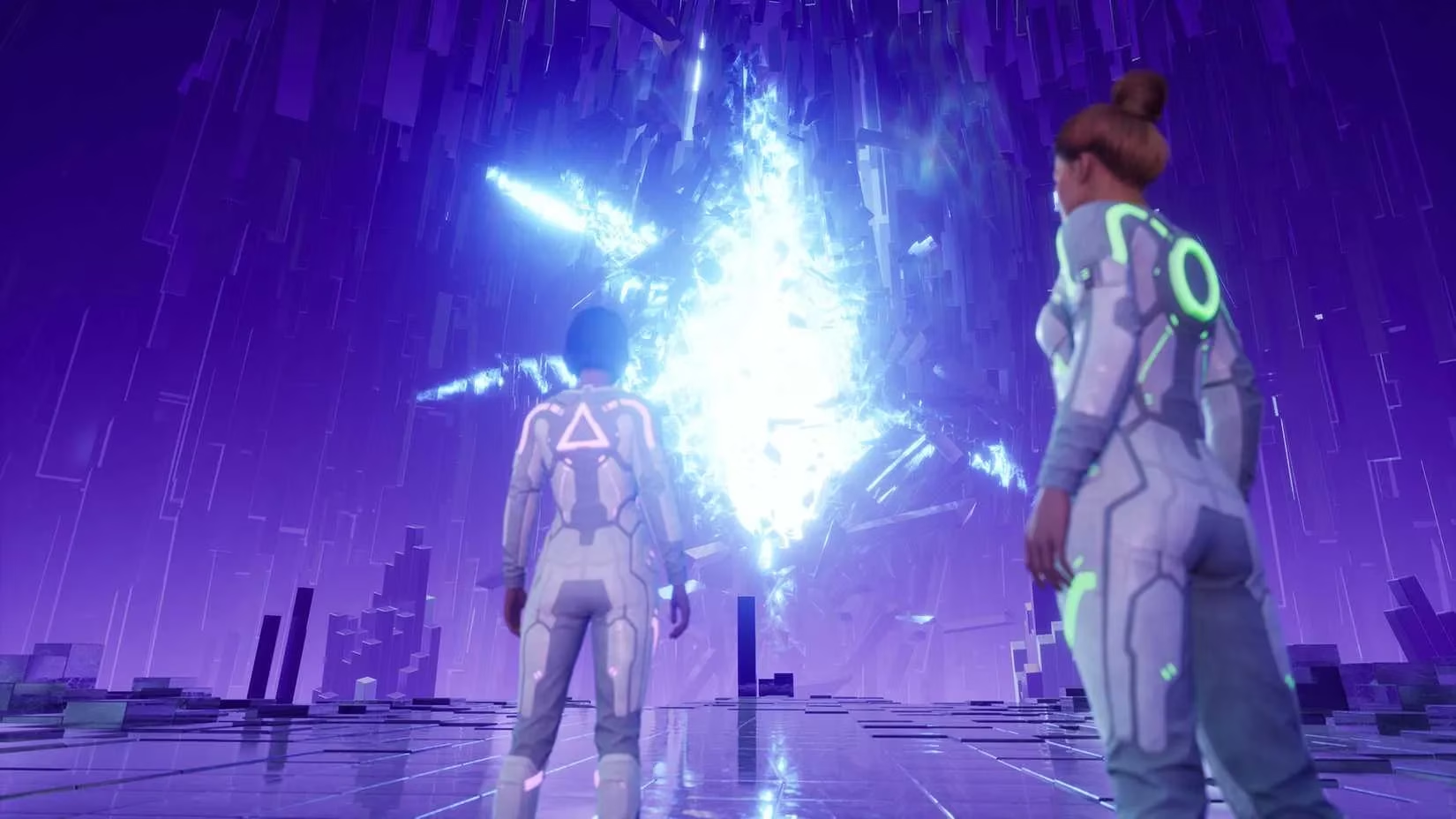
Genre Fluidity, But Grounded: Instead of Split Fiction's wild genre-hopping simulation, the gameplay shifts would reflect memory and emotion. A stressful argument at a family dinner might play out like a tense, top-down strategy game. A joyful, lazy summer afternoon might be a serene, exploration-based segment with no enemies, just the goal of finding the best climbing tree.
-
The Power of Quiet: Hazelight is known for high-octane set pieces, but imagine the impact of a quiet moment. Washing dishes together after a hard day. Silently fishing on a lake. These mundane, shared tasks could become the most powerful co-op mechanics, reinforcing the bond through simple, coordinated actions.
❤️ Why This Idea Plays to Hazelight's Strengths
Hazelight's magic formula is: Simple Premise + Co-Op Mechanics + Emotional Core = Unforgettable Experience. This idea fits perfectly.
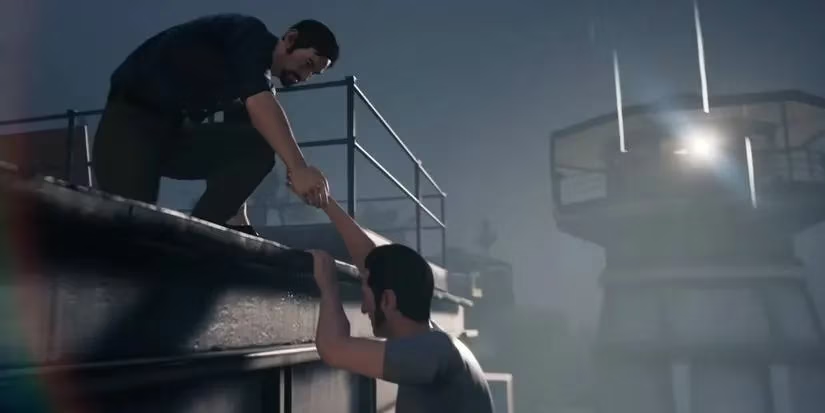
- It's About Perspective: Just like in A Way Out, you'd experience the same life events from two different angles. What felt like a minor disagreement to one sibling might have been a core memory of betrayal for the other. The gameplay could literally show these divergent perspectives.
-
It Deepens the "Couch Co-Op" Ritual: Most people play these games with a loved one—a sibling, a partner, a best friend. A narrative about siblinghood would directly mirror the real-life relationship of the people holding the controllers. It would prompt conversations, reflections, and maybe even a hug after a tough chapter. That's powerful stuff.
-
It Allows for Whimsy & Heartbreak: The setting could even be slightly futuristic, allowing for Hazelight's signature visual creativity and unexpected gameplay scenarios. But it would all service the core emotional journey—the beauty, the fights, the forgiveness, and the inevitable goodbye.
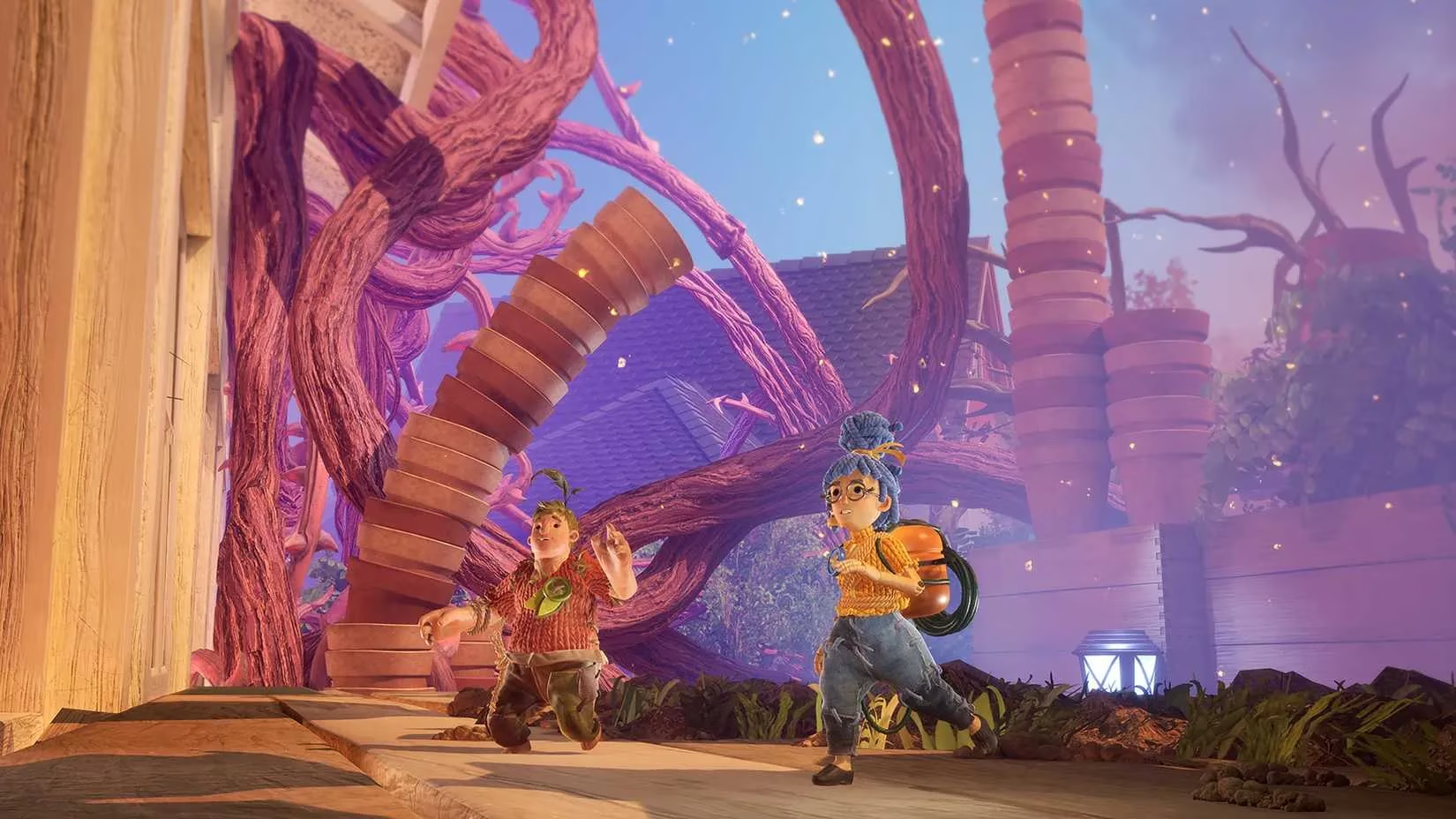
Imagine an ending where, after a lifetime of shared play, the final sequence brings you back to the present. The surviving sibling is alone, but through a final, simple co-op action (maybe planting a tree together, symbolically), you feel the presence and legacy of the other. It's not about a "happy" ending; it's about a meaningful one.
For 2026 and beyond, I believe Hazelight's next evolution isn't just a bigger, weirder premise. It's a deeper, more mature one. It's taking the unparalleled co-op craftsmanship they've mastered and applying it to a story about the most fundamental, complicated bond many of us will ever know. They've made us fix marriages and escape prisons. Now, let them help us celebrate a shared life.
So, Hazelight, if you're reading this... just a thought from a dedicated fan. I'll be ready on the couch, controller in hand, whenever you're ready to take us on the next journey. No pressure! 😉