
I have always had a soft spot for puzzle platformers, but in 2026 they feel more vital to me than ever. When the PlayStation 2 arrived, studios chased realism and scale, and the tight, linear platforming that defined the 1990s began to fade. The seventh console generation made that shift even clearer: open-world games offered endless maps and emergent systems, while traditional platformers suddenly looked old-fashioned. Yet just when I thought the genre might disappear, indie developers stepped in. They delivered focused, affordable, inventive games that tested both my reflexes and my brain. Fez helped prove that puzzle platformers could be both cryptic and beloved, and it opened the door for a wave of titles that I still replay today. 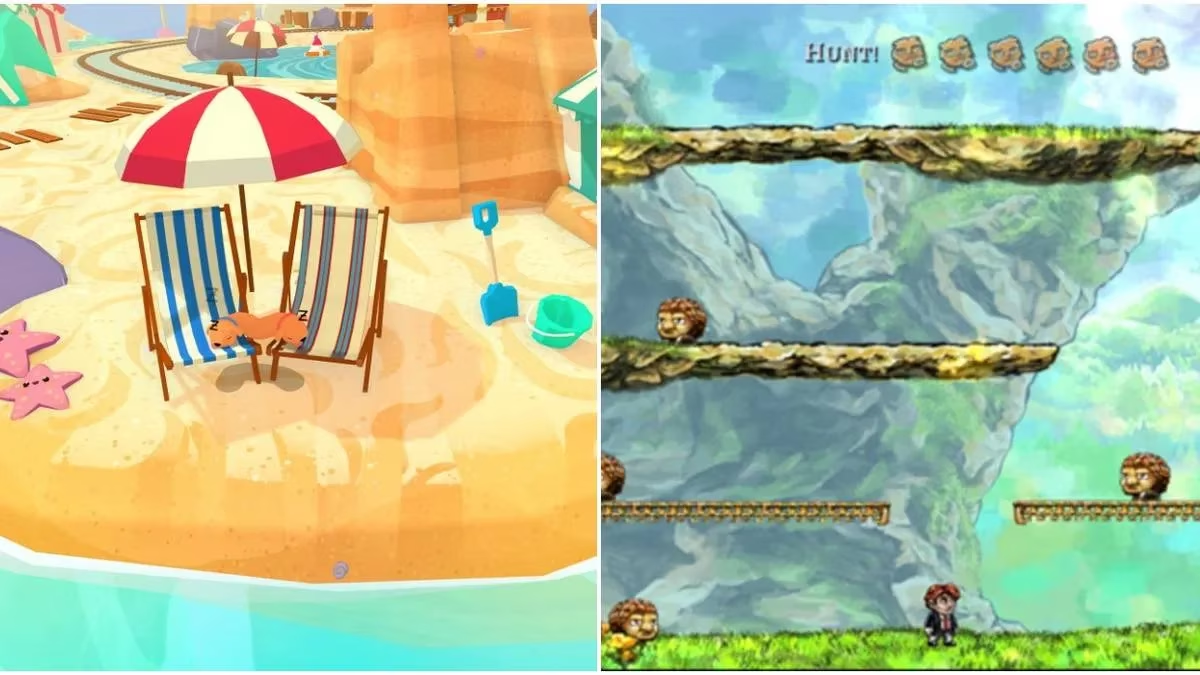
Braid: Time, Regret, and Genius
I cannot discuss the indie puzzle platformer boom without thinking about Braid. Jonathan Blow's game was one of the first indie titles that made mainstream audiences sit up and pay attention. Its time-manipulation puzzles are clever without being cruel, its watercolor art is unforgettable, and its story about regret and relationships lingers long after the final puzzle piece. For years I recommended it to anyone who wanted a platformer that respected their intelligence. In 2026, the anniversary edition has made that recommendation easier than ever. 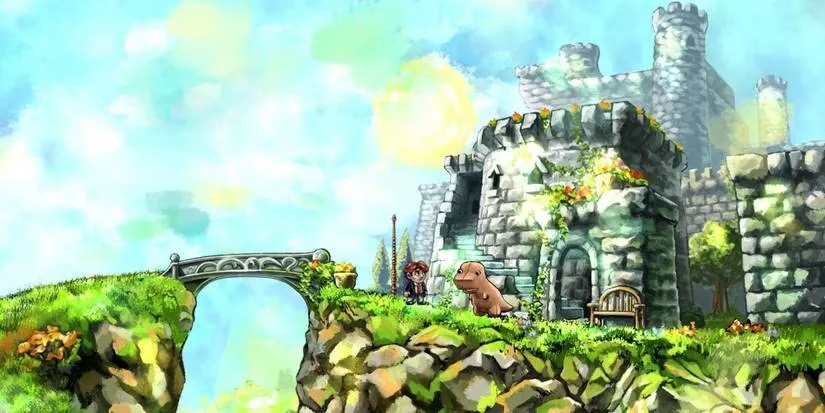
Limbo and Inside: Darkness with Purpose
Limbo was another turning point. Its monochrome silhouette style and minimalist sound design created a mood I could almost feel on my skin. The puzzles are integrated into the environment so naturally that I never felt like I was solving abstract blocks; I was surviving a hostile world. The game is short, but it uses every minute well. Its successor, Inside, pushed the same ideas further with even more polished animation and unsettling imagery. When I want a puzzle platformer that feels like a quiet nightmare, I return to these two. 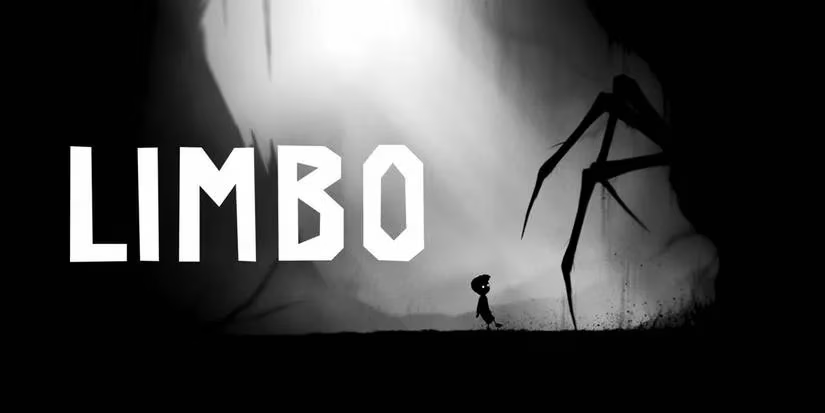
Ori and the Will of the Wisps: Metroidvania Grace
The Metroidvania genre also faded in the late 1990s, only to be revived by indie studios. Ori and the Will of the Wisps is one of my favorite examples. It builds on Ori and the Blind Forest with tighter movement, more varied combat, and a beautiful forest that constantly asks me to think about routes, abilities, and timing. Games like Guacamelee! and Ori showed that puzzle platforming could blend with exploration, and that influence has spread into 3D action-adventure games such as Star Wars Jedi: Fallen Order and Control. When I play Ori, I feel like I am solving a living painting. 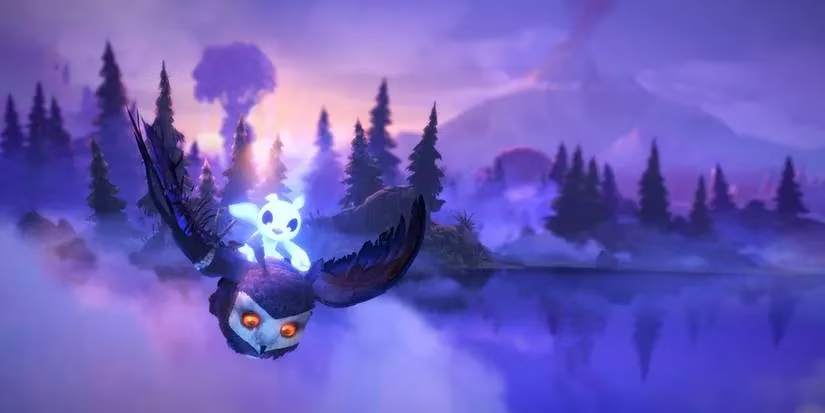
Little Nightmares: Horror Meets Platforming
Little Nightmares took a risk that I deeply appreciate: it mixed puzzle platforming with horror. Instead of wholesome visuals and gentle stories, Tarsier Studios gave me a grotesque world, a tiny yellow raincoat, and a constant sense of dread. The platforming is deliberate, the puzzles are unsettling, and the atmosphere is thick enough to choke on. The 2017 original was praised by critics and fans, and its sequel continued the nightmare with confidence. For me, it proves that puzzle platformers do not have to be cozy to be brilliant. 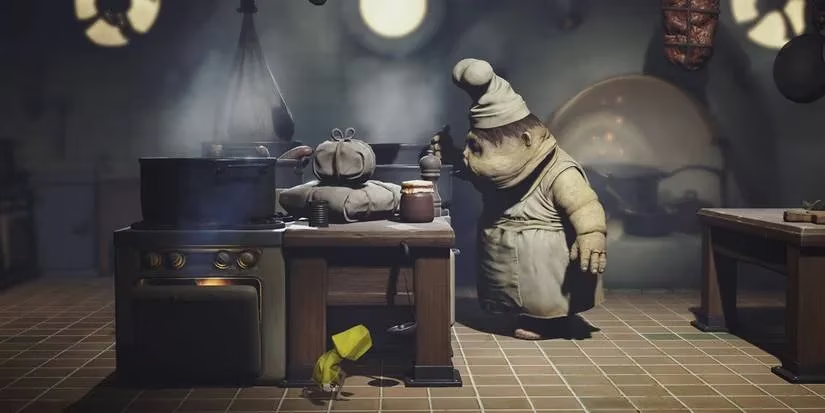
It Takes Two: Co-op Perfection
It Takes Two arrived in 2021 and quickly became one of my favorite cooperative experiences. The game requires two players, locally or online, and it turns a divorcing couple into dolls who must work together to return to their daughter. Every chapter introduces new mechanics, and the puzzles are constantly reinvented. Hazelight Studios improved dramatically over A Way Out, and the result is a game with Metascores around 88 and 89. Even in 2026, when I want to share a puzzle platformer with a friend, It Takes Two is near the top of my list. 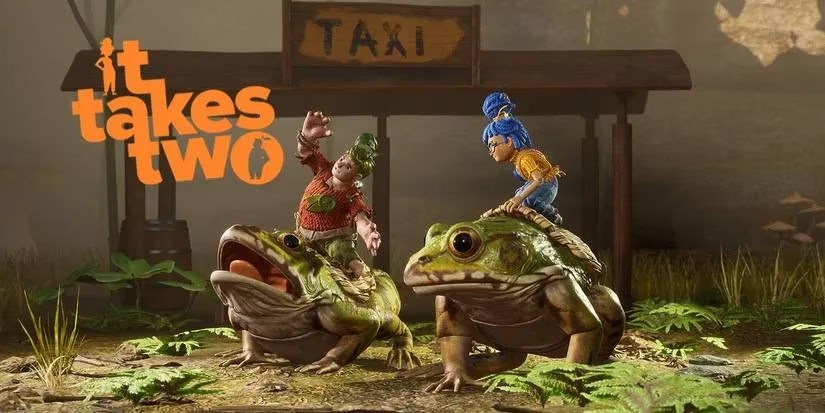
Unravel and PHOGS!: Wholesome Yarn and Silly Dogs
Not every puzzle platformer needs darkness. Unravel gave me a protagonist made of yarn, and that yarn is not just visual flair; it is a mechanic. I have to be careful not to unravel myself as I swing, pull, and solve environmental puzzles. Unravel Two added local co-op in 2018 and made the experience even better for pairs. PHOGS! goes even further into wholesome absurdity with two dogs connected by a single body, similar to CatDog. I can control each head with an analog stick, or I can team up with a friend and create hilarious chaos. It is one of the most heartwarming games on this list. 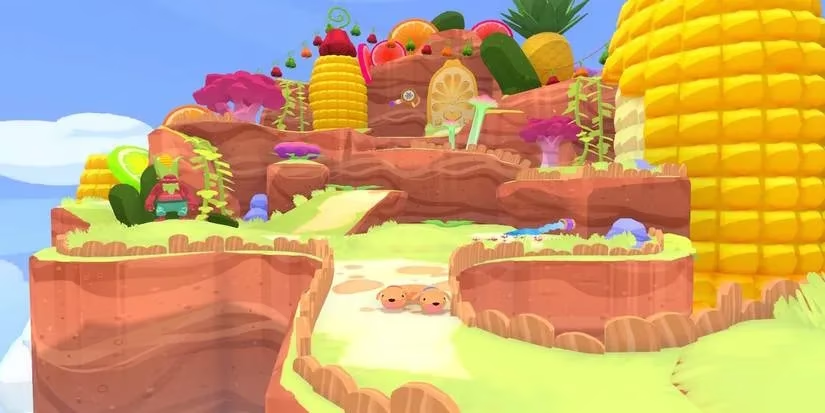
Human: Fall Flat: Physics Chaos
Human: Fall Flat is the game I play when I want to laugh at my own incompetence. No Brakes Games built its puzzles around physics, and the protagonist controls like someone who has had a few too many drinks. The open-ended levels let me solve problems in multiple ways, and the comedic animations give the game a personality that reviews alone cannot capture. Critically, it is the lowest-rated game on this list, with Metascores ranging from 75 to 65 on Nintendo Switch, but I still love it. Sometimes a game earns a place in my library through sheer joy rather than polish. 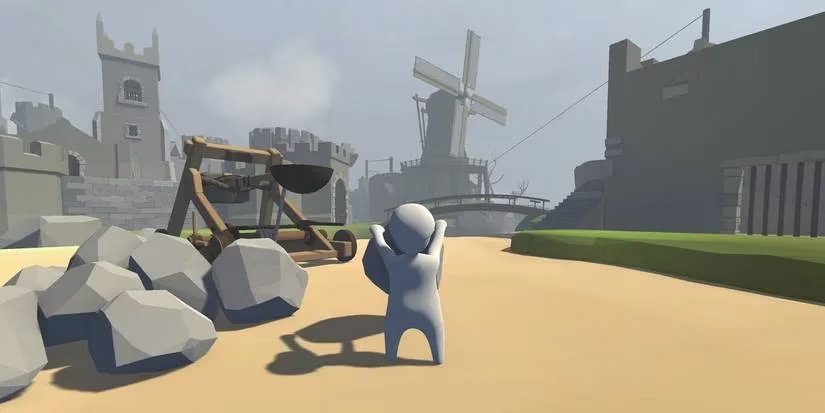
Oddworld: Abe's Oddysee New N Tasty and Portal 2
The Oddworld franchise has been a cornerstone of puzzle platforming since 1997. Oddworld: Abe's Oddysee New N Tasty remakes the original with updated visuals and features such as difficulty settings, and it remains a fascinating blend of stealth, puzzle-solving, and cinematic platforming. Later, Oddworld: Soulstorm continued that legacy. Finally, I have to mention Portal 2. Valve's masterpiece is not just one of the greatest puzzle platformers ever made; it is one of the greatest games of all time. Its puzzles expand brilliantly on the first game, and its characters, voiced by Stephen Merchant and a returning Ellen McLain, are unforgettable. With a Metascore of 95 and countless game-of-the-year awards, Portal 2 is the benchmark I still measure puzzle design against. 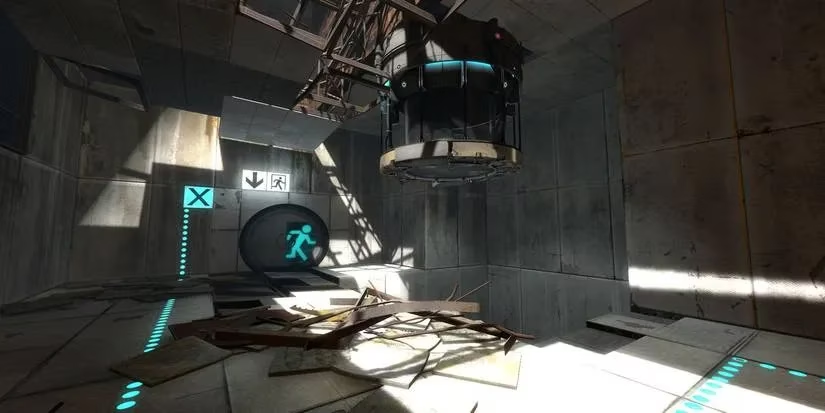
Final Thoughts
In 2026, the puzzle platformer is no longer a forgotten genre. It is a thriving space where indie studios experiment with time, physics, horror, co-op, and emotion. I am grateful that games like Braid, Limbo, Ori, Little Nightmares, It Takes Two, Unravel, PHOGS!, Human: Fall Flat, Oddworld, and Portal 2 exist. They remind me that platforming does not have to be simple, and puzzles do not have to be dry. When I want to feel clever, clumsy, scared, or connected to a friend, I know exactly where to turn.