
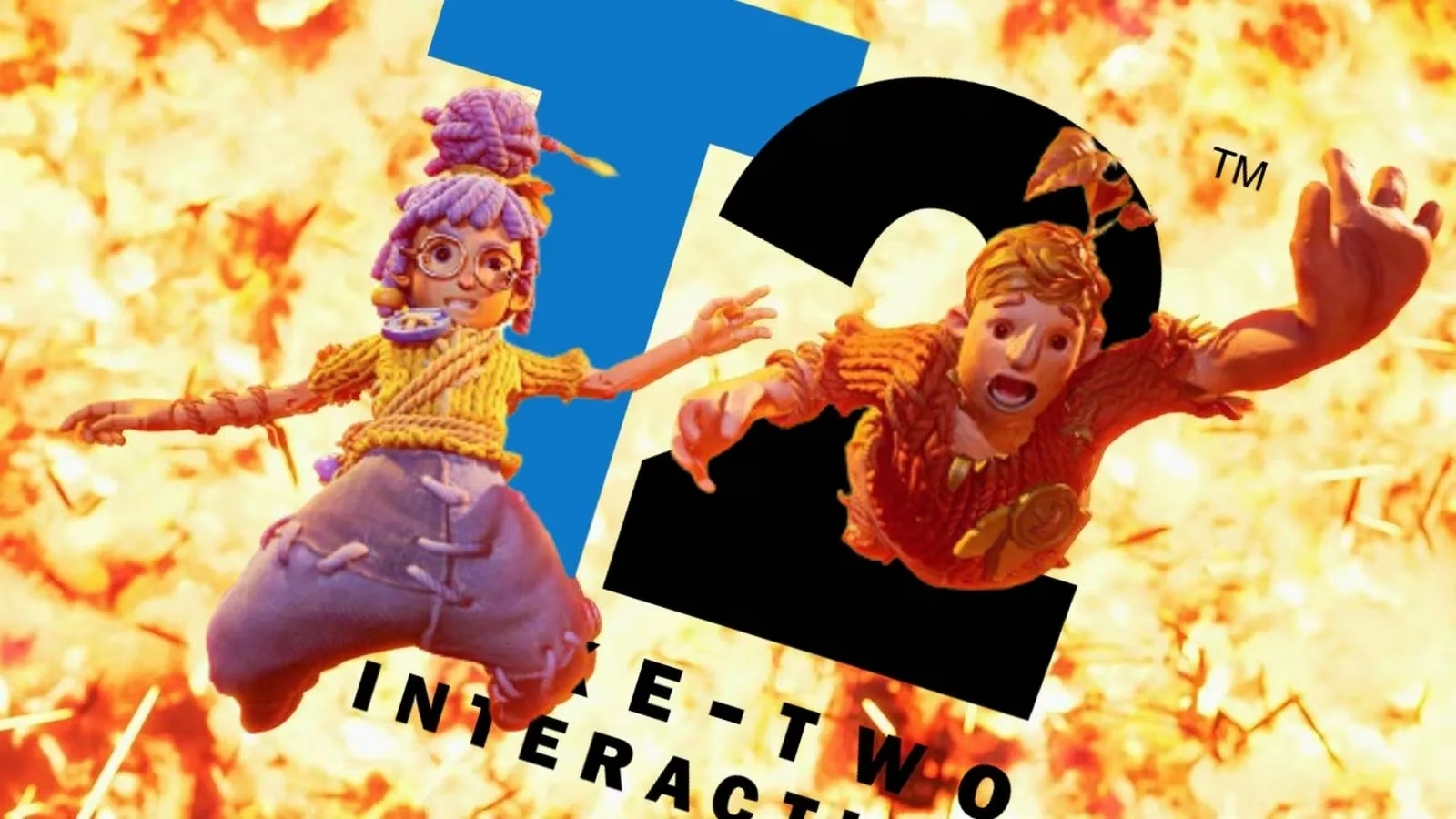
In late 2021, as players were still discussing a busy year of releases, Take-Two Interactive found itself at the center of an unexpected trademark dispute. The company, best known as the parent of Rockstar Games and 2K, had set its sights on a name that did not belong to any of its own franchises. That name was It Takes Two, the cooperative adventure from Hazelight Studios and published by Electronic Arts. The filing raised immediate questions about why a publisher with no connection to the game would try to claim its title.
The move arrived after a period of intense intellectual property enforcement by Take-Two. During the build-up to the launch of Grand Theft Auto: The Trilogy – The Definitive Edition, the company had issued many DMCA takedowns. Most of those actions targeted modders and fan developers who had tweaked or reverse-engineered older Grand Theft Auto titles such as GTA 3 and Vice City. Some of those groups were still fighting Take-Two in court. After the remastered trilogy launched, Take-Two seemed to shift from DMCA takedowns toward a new front: trademark filings.
⚖️ A Broad Trademark Offensive
As highlighted by Ash R on social media, Take-Two filed a large wave of trademark disputes near the end of November 2021. Among the claims were ownership requests for words that make obvious sense for the company, including Rockstar, Bully, and Take-Two itself. Those marks are directly tied to Take-Two's games and studios. However, the list contained an odd entry. On page five of the filing, Take-Two appeared to claim rights to the name It Takes Two.
That title belonged to Hazelight Studios, the Swedish team led by Josef Fares. Electronic Arts published the game, which had no commercial or creative relationship with Take-Two. The only visible connection was linguistic: the phrase It Takes Two contains the words take and two. For Take-Two, that seemed to be enough to pursue a claim. The legal documents suggested that Hazelight's ownership of the It Takes Two trademark may have been abandoned or allowed to lapse earlier in the year. Hazelight was named as the defendant, while Take-Two was listed as the potential opposer.
🎮 What Was Take-Two Trying to Achieve?
What Take-Two intended to gain from the action remained unclear. Protecting words related to a company's own games and studios is a standard legal strategy. Trying to claim a completely unrelated title because it shares common English words with a corporate name is much more aggressive. Trademark law generally requires actual commercial use and a likelihood of consumer confusion. It Takes Two was already a successful new release, and few players would confuse Hazelight's game with a holding company like Take-Two Interactive.
At the time, It Takes Two was one of the most celebrated games of 2021. It had sold more than three million copies and was a strong contender for Game of the Year at The Game Awards. The title ultimately won that award, cementing its reputation as a landmark co-op experience. Hazelight and EA did not publicly explain the trademark situation in detail, but the game's commercial momentum did not appear to suffer.
📋 Key Details From the Filing
| Item | Detail |
|---|---|
| Game in dispute | It Takes Two |
| Developer | Hazelight Studios |
| Publisher | Electronic Arts |
| Trademark claimant | Take-Two Interactive |
| Filing type | Notice of opposition / potential opposer |
The controversy fed into a larger conversation about how big publishers use trademark systems. Take-Two's earlier wave of DMCA takedowns had already frustrated parts of the modding community. Now, a trademark claim over a common phrase appeared to deepen concerns that large companies were using legal tools too broadly. For smaller developers, even responding to such a filing can be expensive and distracting. Hazelight had the backing of EA, which likely helped, but independent studios might not have the same resources.
The filing also showed how trademark disputes in entertainment can be messy and unpredictable. A phrase like It Takes Two is common in everyday language, and the game was an original work with its own strong brand identity. Consumer confusion between a co-op game and a corporate parent seemed unlikely. Legal observers noted that the case might not go in Take-Two's favor, and even if it did, the commercial benefit was hard to see.
Years later, the dispute remains a frequently cited example of aggressive trademark enforcement in the games industry. It did not stop It Takes Two from earning critical and commercial success. But it served as a warning that even original projects can become targets when a larger company spots a branding overlap. The episode left many players and developers questioning where reasonable trademark protection ends and overreach begins.
This assessment draws from Rock Paper Shotgun to frame how trademark opposition filings can function as a pressure tactic even when consumer confusion seems remote. In situations like Take-Two’s move against the unrelated co-op hit It Takes Two, the practical impact often comes from the cost and distraction of responding, which is why observers frequently view broad, defensive trademark strategies as part of a wider IP playbook alongside DMCA enforcement.