
As 2026 unfolds, players still talk about the unforgettable enemy encounters that defined a particularly strong year for boss design. Video game bosses and regular enemies shape how every other system — combat, exploration, story — comes together. Back in 2021, the industry delivered a stunning variety of foes, from co-op rail-shooting showdowns to terrifying hide-and-seek robots. Here are ten standouts that remain benchmarks, even half a decade later.
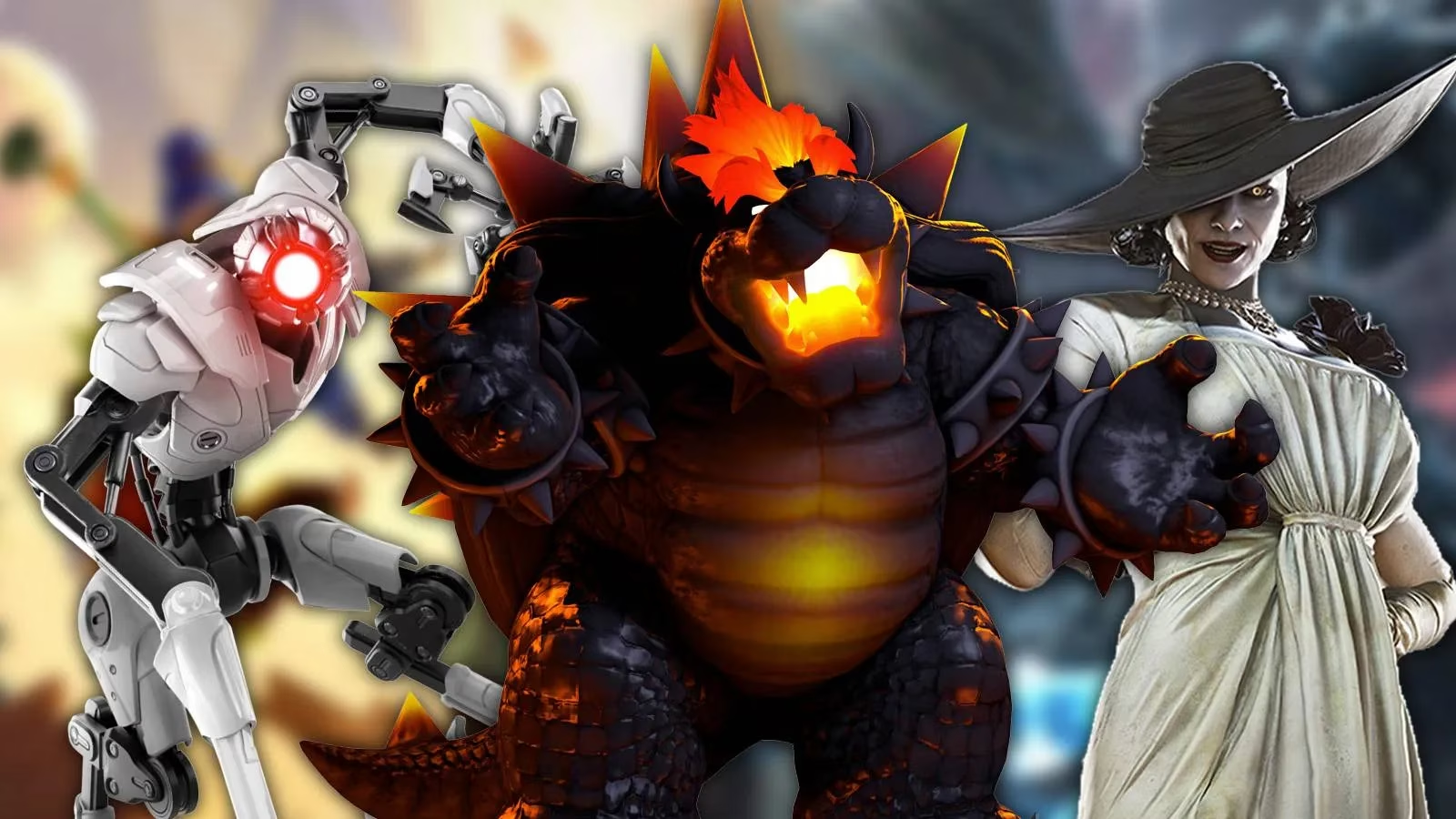
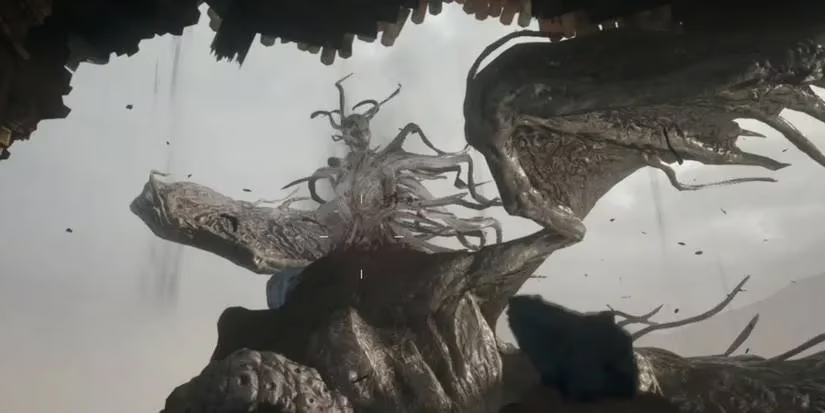
Lady Dimitrescu may have started as a beguiling vampire, but when Ethan Winters pushes her too far, she literally lets her hair down and turns into a dragon. Resident Evil Village throws dozens of creative monsters at players — including the chainsaw-headed Sturm and the tragic Moreau — but the final showdown with Lady D remains the crowning moment. After her three daughters fall, the flying monstrosity shreds Ethan's tower vantage point while strafing with fire and forcing claustrophobic on-foot dodges. It arrives relatively early in the campaign, yet it sticks with players long after the credits roll. Honestly, it's a masterclass in escalation.
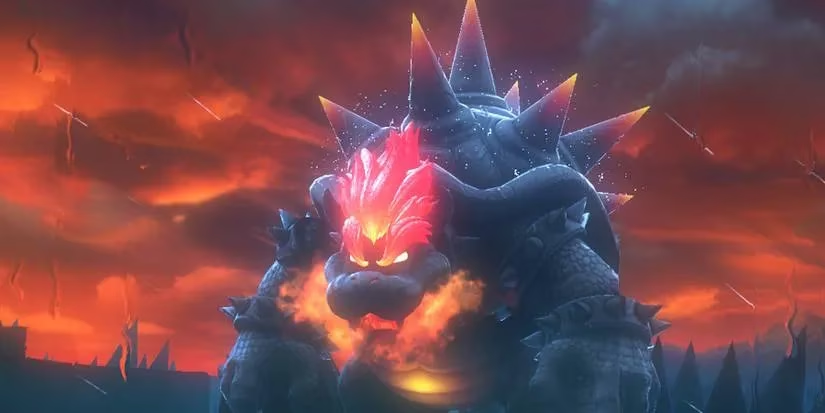
Super Mario 3D World + Bowser's Fury turned Nintendo's mascot into a kaiju-scale brawler, and it's an absolute riot. The Fury Bowser boss periodically crashes into Lake Lapcat with fireblasts and summoned storms, often blocking Mario's progress. But the payoff arrives with the exclusive Giga Bell, which turns Mario into a colossal golden-maned Cat Mario that looks like a Super Saiyan crossed with Super Sonic. Pummeling a giant rage-fueled Bowser head-on is exactly as fun as it sounds. It's the sort of chaotic, smile-inducing set piece that Mario games rarely attempt.
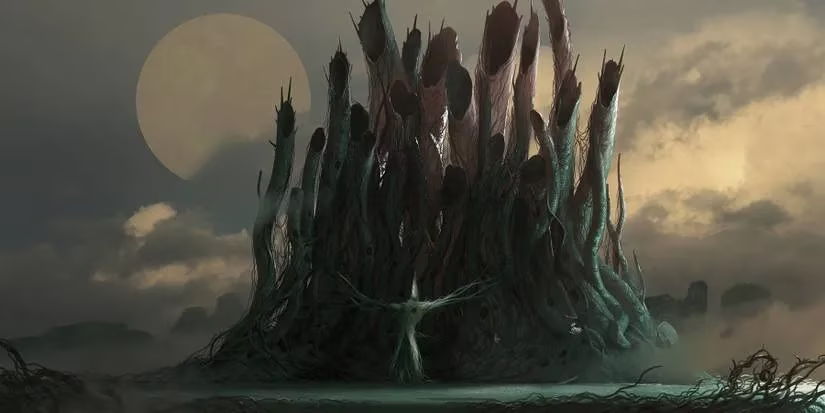
Returnal's fourth boss, Hyperion, is a malevolent alien musician playing what might be the universe's creepiest organ. The fight combines bullet-hell projectile patterns and sweeping beam attacks with a haunting score, and the build-up is almost as powerful as the arena itself. Selene's dialogue implies the alien song is wearing down her sanity, turning the encounter into a psychedelic life-and-death dance. Players must weave through dazzling shot patterns while the music swells. It's one of those fights where losing feels frustrating, but winning feels like surviving an art installation.
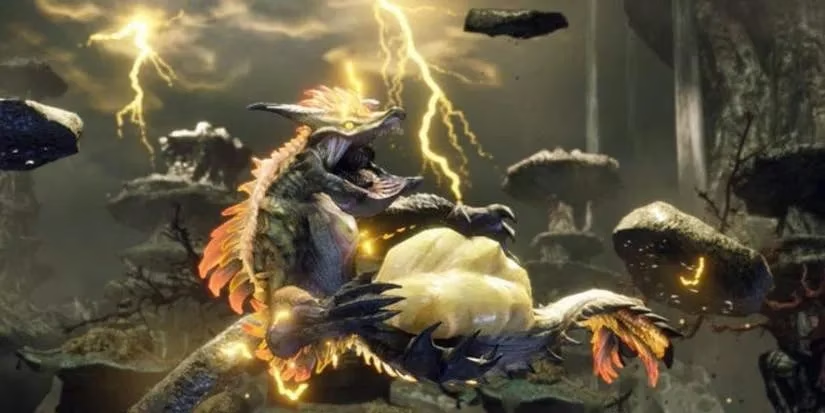
Monster Hunter Rise saved its most ambitious spectacle for last. Once Lightning Serpent Narwa absorbs the life force of her mate, Wind Serpent Ibushi, she becomes Narwa the Allmother — a dragon that rivals godhood. Before that transformation, hunters must face both elder dragons simultaneously, juggling weapon attacks, ballistae shots, and wirebug slinging. Some of the game's toughest creatures may even gatecrash the finale. Combined with a soaring soundtrack and a uniquely designed arena, the showdown feels carefully calculated to be epic. Even six mainline installments in, Capcom still knows how to make a Hunt feel mythic.
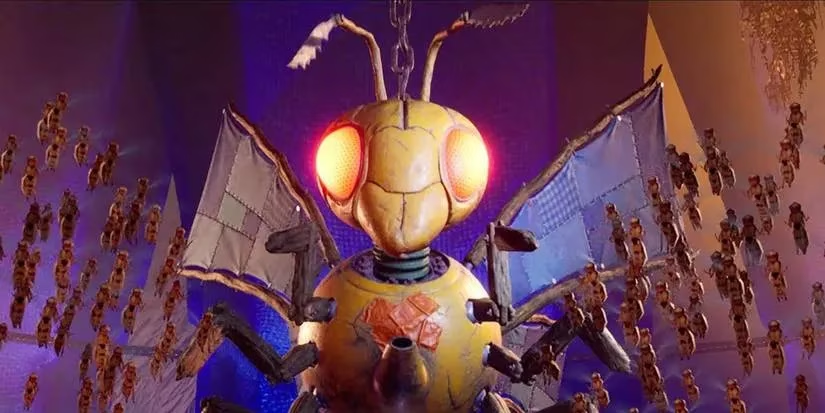
It Takes Two is a co-op puzzle-platformer first, but its bosses showcase surprisingly sharp combat design. The Wasp Queen mech pits Cody's flammable sap cannon against Mae's matchstick rifle, forcing perfectly synchronized shots. The arena then expands to include grinding rails, shockwaves, swords, scissors, and even biplanes made of wasp swarms. The boss's true identity and the frantic getaway afterward are brilliant fun. It's a reminder that cooperative boss design can be just as demanding as any solo skill check — and a whole lot funnier.
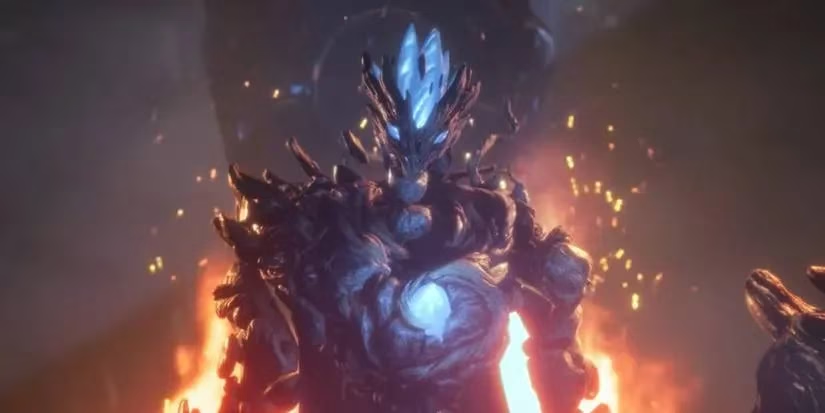
Kena: Bridge of Spirits doesn't pull its punches, and the Corrupt Woodsmith is proof. This imposing foe starts with an invulnerability mechanic tied to the player's freshly acquired Spirit Bombs, forcing a specific skill check before any real damage can be done. She also sweeps rings of fire across the arena and calls in adds to keep Kena on the defensive. Once her invulnerability engine is destroyed, the Woodsmith snaps into a frenzied second phase that plays like a traditional duel. The music is a standout too — once that invulnerability engine goes down, the Woodsmith doesn't just get mad, she gets even.
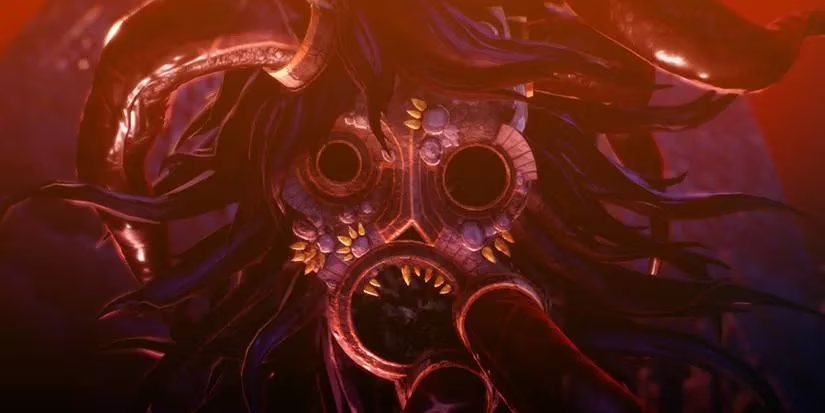
Shin Megami Tensei V pits players against Lahmu, an ancient Mesopotamian entity, twice. The first fight is manageable as long as the party avoids demons weak to Dark magic, because Lahmu can instantly kill them with Mudo. The rematch is far nastier: players must destroy Lahmu's tentacles before targeting the main body, then survive a final phase where the creature is only weak to Fire and can unleash Babylon Curse for Almighty damage. Selecting the right demons and Miracles is non-negotiable. It's tactical JRPG boss design at its most unforgiving.
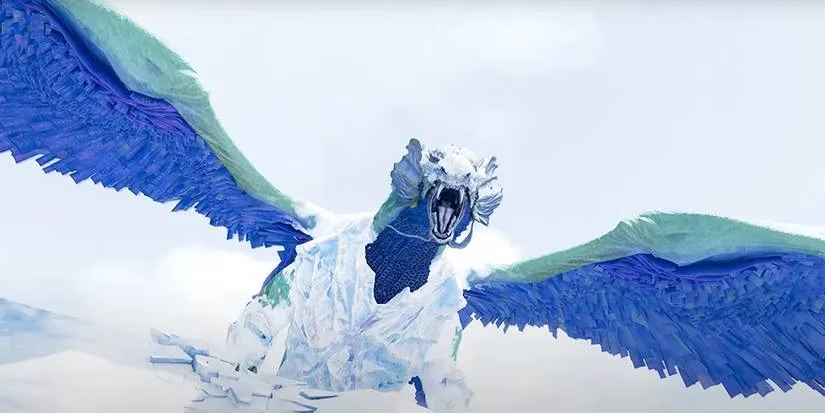
Marvel's Guardians of the Galaxy took one of the comics' strangest villains — a shapeshifting alien dragon that became part of Chinese mythology — and made him genuinely menacing. In the game, Star-Lord must strip away Fin Fang Foom's ice armor while dodging claw sweeps and explosive fireballs, all while the team's hilarious banter plays out. The encounter grows more frantic as the fight progresses, and the cinematic payoff feels straight out of a comic book. It's a rare case where a silly premise becomes an emotional, blockbuster climax.
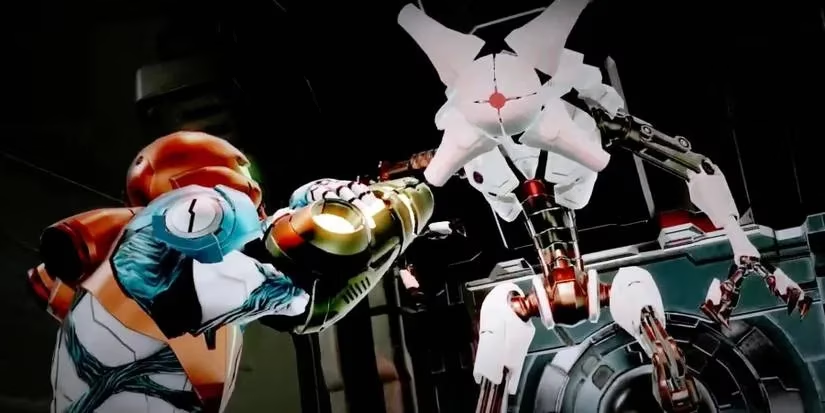
After a long hiatus, Metroid Dread brought Samus Aran back with a new kind of terror: EMMI units. These sleek, acrobatic robots stalk Samus through Planet ZDR, and one touch usually means instant death. The only lifeline is a brutally precise counter ability, giving players a sliver of hope. Mechanically, EMMI chases can occasionally tip into frustration, but the hearts-racing dread they inspire is undeniable. After a while, hearing that EMMI ping is enough to make any player's stomach drop — and that's exactly the point.
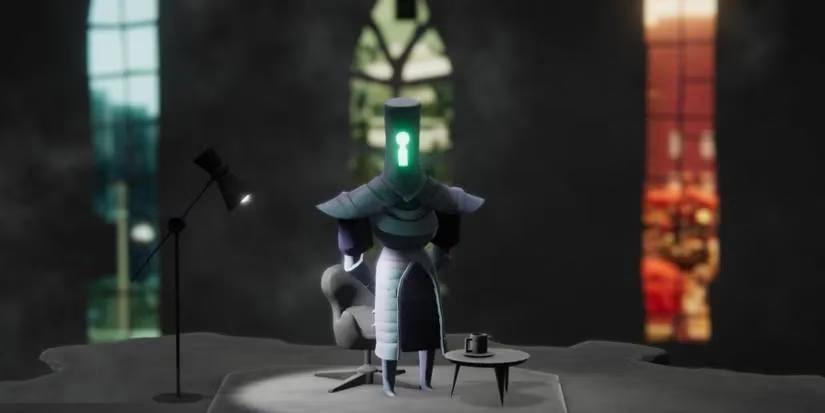
Death's Door offers a gentler take on the Souls formula, but it saves its most brutal test for last. The Lord of Doors features a seven-phase fight that would feel right at home in a FromSoftware game. Phases mix pattern-recognition arena combat with corridor sections where players dodge charging bulls and use a hookshot-like spell. Generous checkpoints and full health refills before the final phase soften the blow, but the Last Lord can chain together every attack from earlier phases. It's a fitting, punishing goodbye to one of 2021's indie gems.
Even in 2026, with more technically advanced blockbusters arriving every month, these encounters remain touchstones for what boss design can achieve. They challenge players, push mechanics forward, and — most importantly — create stories that players still tell years later. Whether through fear, spectacle, or sheer chaos, the best bosses leave a mark.