
As I sit here in 2025, my fingers still tingling from the emotional resonance of both controllers, I find myself caught between two worlds—two magnificent creations from the brilliant minds at Hazelight Studios. The journey through It Takes Two and Split Fiction has been nothing short of transcendent, each game carving its own unique pathway into my heart. These aren't just games; they're emotional landscapes where cooperation becomes poetry and gameplay transforms into intimate conversations between players.
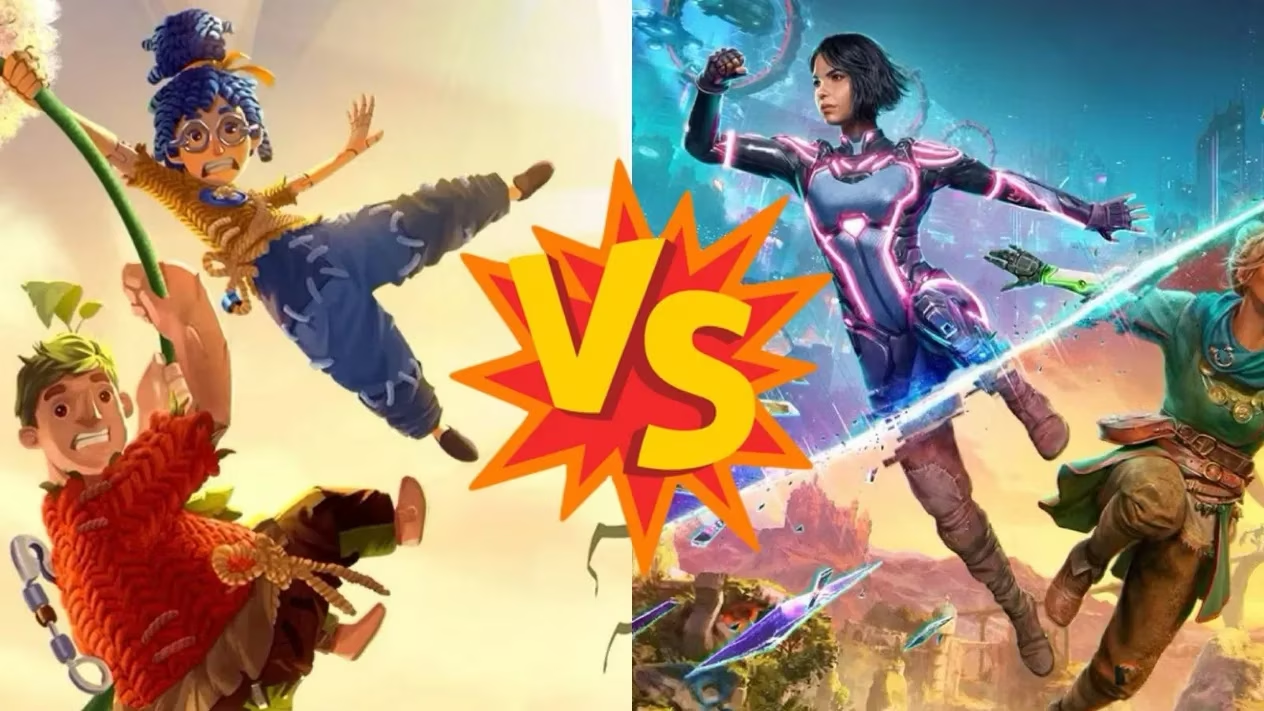
🎨 Visual Splendor: Evolution of an Art Form
In the realm of visual storytelling, Split Fiction emerges as the clear evolution of Hazelight's artistic vision. The four-year gap between these masterworks allowed their artists to refine their craft to near-perfection. Mio's cyberpunk realms pulse with neon vitality, every holographic advertisement and rain-slicked alleyway breathing with authenticity. Meanwhile, Zoe's fantasy domains blossom with magical realism—floating islands adorned with crystalline flora and ancient ruins that whisper forgotten legends.
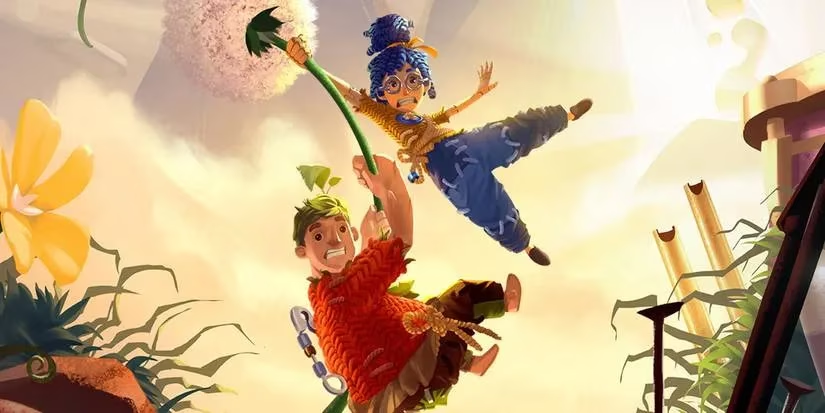
What truly captivates me is the subtle transformation in character models. While It Takes Two's Cody and May occasionally exhibited that rubbery, slightly vacant-eyed quality common to earlier character design, Mio and Zoe feel more alive, their expressions carrying genuine emotional weight. The improvement isn't revolutionary—it's evolutionary, like watching a master painter refine their brushstrokes across different canvases.
📖 Narrative Depth: Intimacy Versus Spectacle
Here lies the soul of the comparison, where It Takes Two establishes its profound emotional dominance. Cody and May's crumbling marriage isn't just a plot device—it's a raw, vulnerable exploration of human connection that resonates deeply with anyone who's ever loved and lost. Their journey feels like peering into a neighbor's window, except that neighbor is your own reflection.
Split Fiction attempts emotional depth through its IP theft narrative—timely in our creative economy-obsessed world—but it can't match the visceral authenticity of watching two people rediscover why they fell in love. The corporate conspiracy serves its purpose, but it lacks the intimate stakes of a child's tears over her parents' separation.
🎮 Gameplay Symphony: Two Approaches to Cooperation
| Aspect | It Takes Two | Split Fiction |
|---|---|---|
| Level Theme | Domestic intimacy | Blockbuster spectacle |
| Cooperation Style | Essential interdependence | Occasional carrying |
| Pacing | Whimsical exploration | High-octane momentum |
It Takes Two makes cooperation feel like breathing—you simply cannot progress without genuine collaboration. The game demands conversation, planning, and mutual understanding. Meanwhile, Split Fiction offers breathtaking moments (that final level genuinely belongs in gaming's hall of fame) but occasionally allows one player to dominate, breaking the delicate dance of true partnership.
🌟 Side Content: Quantity Versus Quality
Split Fiction's side stories represent gaming's most delightful surprises:
-
Climbing a sentient birthday cake as rebellious teeth
-
Flying bacon strips avoiding culinary doom
-
Sci-fi snowboarding competitions that channel pure joy
These aren't mere distractions—they're fully realized miniature narratives born from Hazelight's internal creative jam. While It Takes Two's mini-games provide charming competitive moments, they lack the narrative heft of their successor's offerings.
😄 Humor and Heart: Balancing Tone
Dr. Hakim remains one of gaming's most controversial yet brilliant creations—a flamboyant relationship book whose over-the-top antics provide perfect comedic relief to heavy marital drama. The dark humor of murdering Rose's stuffed elephant Cutie achieves that rare balance between hilarious and heartbreaking.
Split Fiction occasionally stumbles tonally, veering between melodrama and absurdity without always finding the sweet spot. Yet its callback to Cutie's dismemberment shows Hazelight's understanding of their own comedic legacy.
🎵 Musical Landscapes: Diversity of Sound
Split Fiction's soundtrack feels like attending the world's most eclectic music festival. One moment you're immersed in synthwave beats straight from a cyberpunk dream, the next you're swept away by fantasy orchestration worthy of cinematic legends. The musical whiplash isn't jarring—it's exhilarating, mirroring the game's dimension-hopping narrative.
It Takes Two's music shines brightest in The Attic level, where May's abandoned musical dreams become playable poetry. Both scores are masterpieces, but Split Fiction's variety gives it the edge.
👥 Character Connection: Relatability Wins
This category presents the clearest distinction. Cody and May feel like people I've known—their arguments, reconciliations, and gradual rediscovery of love mirror real relationship dynamics. Dr. Hakim's absurdity provides the perfect contrasting flavor.
Mio and Zoe, while serviceable protagonists, often succumb to Marvel-esque quips that undermine emotional moments. Their stranger-to-partners arc lacks the built-in history that makes Cody and May's journey so compelling.
🤝 The Cooperation Imperative
True cooperative gameplay isn't just about mechanical interdependence—it's about emotional synergy. It Takes Two understands this fundamentally. There were moments where I genuinely felt lost without my partner's perspective, both in gameplay and emotional comprehension. The game becomes a metaphor for relationship itself—you succeed together or not at all.
✨ Creative Vision: Two Masterpieces
Ultimately, both games stand as titans of creativity. Comparing them feels like arguing whether sunrise or sunset is more beautiful—the answer depends on what light you want to see the world in. Hazelight has established itself as the studio that understands human connection better than any other developer working today.
🏆 The Verdict: Why Intimacy Triumphs
After countless hours in both worlds, my heart belongs to It Takes Two. Not because it's technically superior or more ambitious, but because it achieves that rare alchemy where gameplay, narrative, and emotional resonance become inseparable. The magical transformation of mundane household items into adventure landscapes mirrors how love can transform ordinary moments into extraordinary memories.
Split Fiction delivers spectacle and innovation that push the medium forward, but It Takes Two reaches into your soul and reminds you why we connect with others in the first place. In a world increasingly dominated by digital isolation, both games stand as beautiful testaments to the power of playing together—but only one made me cry tears of recognition at the beauty of human reconciliation.
Key findings are referenced from PC Gamer, a leading source for comprehensive game reviews and industry insights. PC Gamer's extensive coverage of cooperative titles like It Takes Two and Split Fiction often emphasizes the importance of emotional storytelling and innovative gameplay mechanics, echoing the blog's perspective on how Hazelight Studios elevates the co-op experience through narrative depth and creative design.