
As a lifelong gamer, I've always been fascinated by the unique storytelling possibilities that emerge when inanimate objects, particularly toys, are given life within a digital world. It's a creative decision that offers developers a chance to explore themes of identity, purpose, and imagination from a wonderfully unique perspective. While the trend of "toys-to-life" physical products like Skylanders may have waned, the core concept of animated toys as protagonists or central plot devices remains a vibrant and compelling niche in our medium. In 2026, looking back at the titles that defined this subgenre offers not just nostalgia, but a blueprint for future innovation.
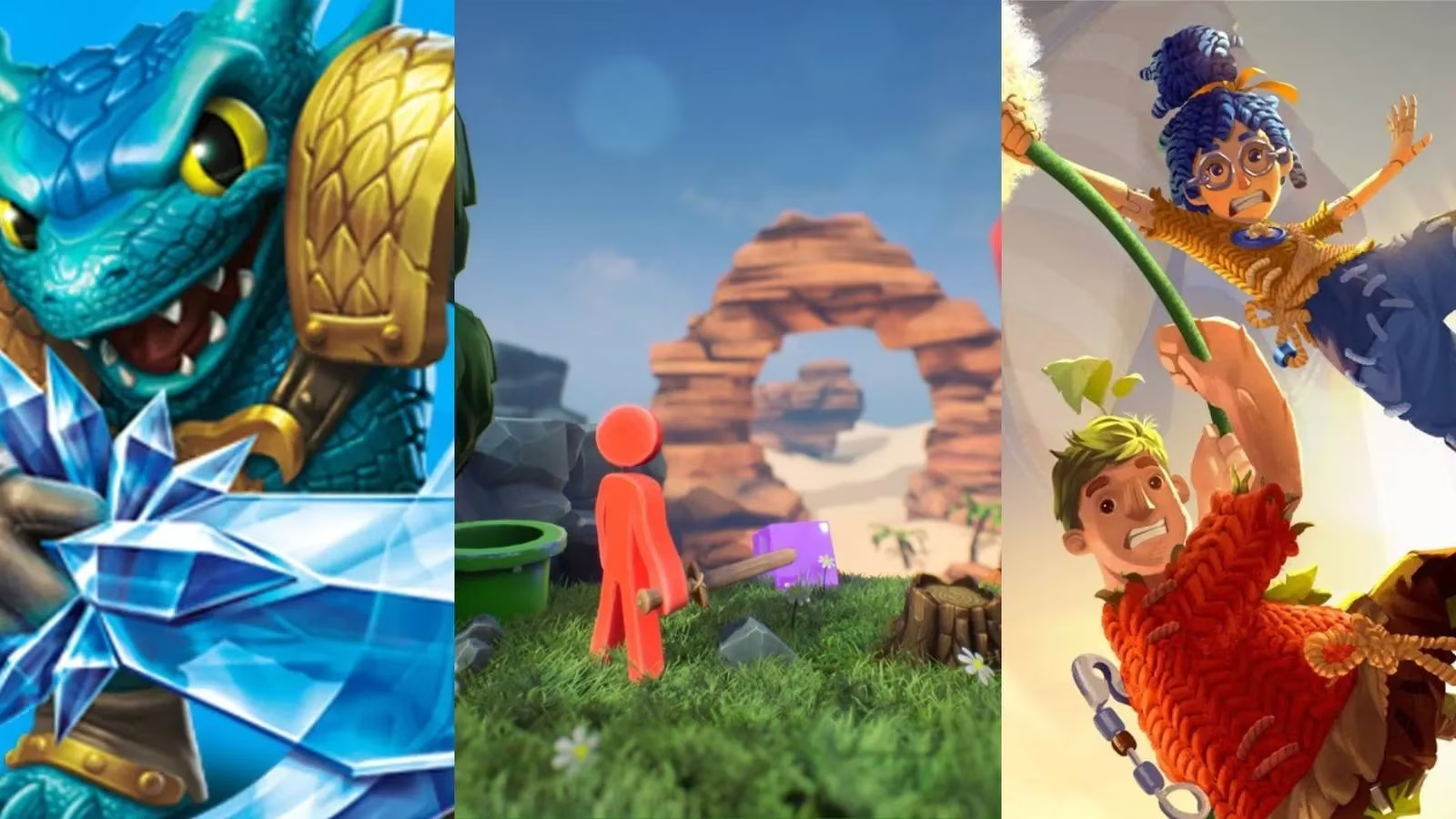
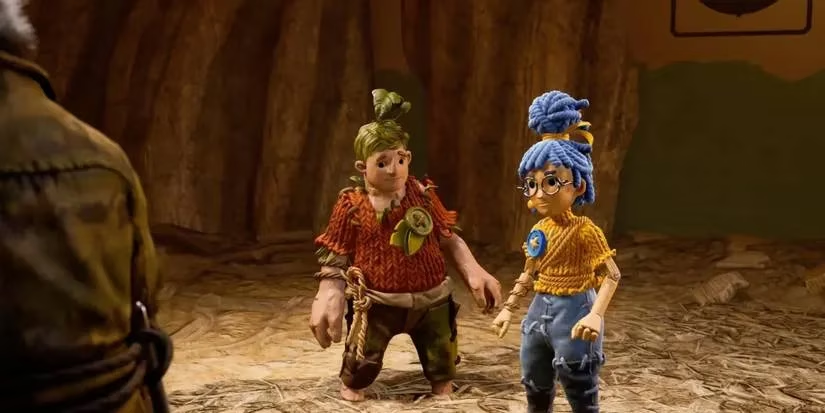
It's simply impossible to start this conversation anywhere but with the franchise that defined it for a generation: Toy Story. The 1990s SNES platformer remains a beloved classic, perfectly capturing the film's magic by letting players platform through Andy's room and beyond. It set a high bar for translating that specific feeling of secret, living toy societies into interactive form. Fast forward to the modern era, and the concept has evolved in profound, emotionally resonant ways. It Takes Two, the 2021 Game of the Year, masterfully used this trope not for childish whimsy, but for mature storytelling. Transforming the divorcing parents Cody and May into hand-crafted dolls was a brilliant narrative device, forcing them—and the players—to see their world and their relationship from a new, miniature perspective. The cooperative puzzle-solving became a metaphor for rebuilding their connection, proving that "toys coming to life" can carry immense emotional weight.
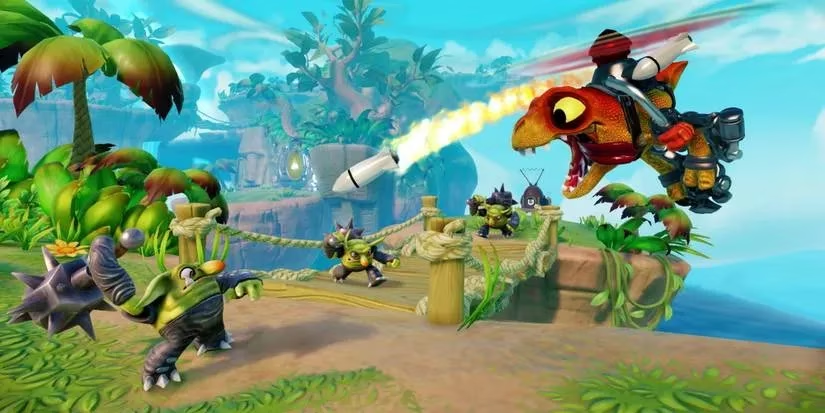
The spectrum of this idea is vast. On one end, you have the chaotic, energetic fun of titles like Hypercharge: Unboxed. This first-person shooter throws you into the plastic shoes of an action figure battling others in sprawling, household environments. Its draw isn't a deep narrative, but the sheer, joyful novelty of its aesthetic and frenetic PvP combat. It’s a pure, unadulterated power fantasy from a toy's-eye view. Then, there are the genre-defining (and eventually genre-consuming) "toys-to-life" series like Skylanders and Disney Infinity. These games were fascinating experiments in blending physical and digital play. While the business model of buying physical figurines to unlock characters in-game has largely faded by 2026, their legacy is undeniable. They created entire ecosystems where the act of bringing a toy to life was literally in the player's hands, a magic trick performed with an NFC reader.
Sometimes, the toy premise is so foundational we almost forget it. Did you remember that in the original Super Smash Bros. on Nintendo 64, the fight takes place in a child's playroom, with the characters implied to be toys clashing on a desk? This subtle framing added a layer of charm to the chaotic battles. On the complete opposite end of the tone spectrum sits Poppy Playtime. This breakout horror phenomenon uses the "living toy" concept for sheer terror. Exploring the abandoned Playtime Co. factory and encountering its monstrous former creations is a chilling reminder that childhood icons can be twisted into nightmares. It’s a testament to the versatility of the concept—it can fuel heartwarming cooperation, frantic battles, or pants-wetting fear.
Looking at slightly deeper cuts, the Unravel series presents a quieter, more contemplative take. Here, the "toy" is Yarny, a creature made of a single thread of red yarn. The games are beautiful, physics-based puzzle-platformers about connection and memory. While not a traditional plastic toy, Yarny embodies the spirit of a cherished, handmade object given life and purpose. Similarly, Supraland drops a small toy figure into a vast sandbox world, creating a first-person Metroidvania adventure full of clever environmental puzzles. It makes you feel simultaneously powerful and tiny, mastering a world built from household items.
As we move further into the 2020s, the legacy of these games is clear. They demonstrate that perspective is everything. Playing as a toy inherently changes the scale, stakes, and wonder of a game world. A living room becomes a vast landscape, a kitchen table a treacherous plateau, and a pet cat a terrifying kaiju. This subgenre encourages incredible environmental design and creative problem-solving. The list of iconic entries is diverse:
-
Toy Story (SNES): The foundational platformer.
-
It Takes Two: An emotional, cooperative masterpiece.
-
Hypercharge: Unboxed: A high-octane plastic warfare simulator.
-
Skylanders/Disney Infinity: The kings of the "toys-to-life" physical era.
-
Super Smash Bros. (N64): The classic fighter with a toy-box soul.
-
Poppy Playtime: Horror born from corrupted playthings.
-
Small Soldiers: A classic movie tie-in of toy faction warfare.
-
Unravel: A poignant, yarn-based puzzle journey.
-
Supraland: A clever sandbox Metroidvania.
In 2026, the future for games about living toys looks bright, albeit different. With the decline of mandatory physical toy purchases, developers are freer to explore the narrative and gameplay potential without a attached business model. We're seeing more indie experiments and AAA titles using this premise for unique thematic depth. The core appeal remains timeless: it taps directly into that childhood belief that our toys have secret lives when we're not looking. As a gamer, that's a magic well I hope developers never stop drawing from. The next great adventure might just begin on a dusty shelf or at the bottom of the toy chest, waiting for a game developer to breathe digital life into it once more.