
I gotta be real with you—when my gaming buddy and I booted up Hazelight's Split Fiction last week, we were hyped. The gameplay? Absolute fire. Fresh mechanics had us fist-bumping like we'd just won the co-op lottery. But then the story hit... and man, what a snoozefest. The kicker? It's technically better written than It Takes Two, but that’s exactly why it landed with a thud. Like serving gourmet tofu at a barbecue—technically refined, but nobody’s asking for seconds. 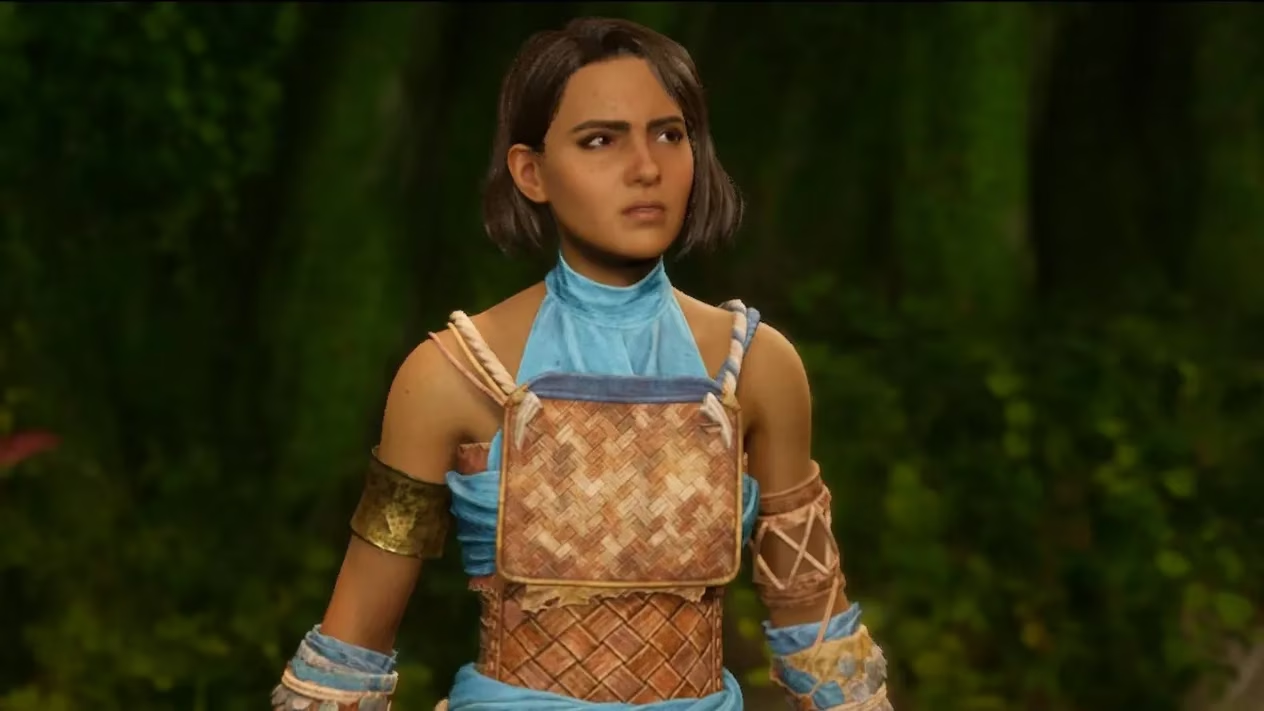
Gameplay Gold, Storytelling Slump
Let's give credit where it's due: Split Fiction’s co-op wizardry is next-level. Hazelight cranked the creativity dial to 11—every level introduced mechanics that made my brain do backflips. Dynamic environment shifting? Check. Puzzle-solving that required actual teamwork (not just yelling at your buddy)? Double-check. Compared to It Takes Two, this felt like upgrading from roller skates to a jetpack.
But oh boy, the narrative... Zoe and Mio’s "emotional journey" had all the spark of a damp firework. We tried. We really tried to care. Yet after hour three, my friend and I were debating pizza toppings over their "heart-wrenching" dialogue. The writing wasn’t bad—it was just... there. Like elevator music for your eyeballs.
It Takes Two: So Bad It’s Iconic
Now, let’s rewind to It Takes Two. Yeah, the writing was cringe incarnate. Cody and May’s therapy sessions via talking books? Pure cheese. But here’s the twist: that awfulness became its superpower. 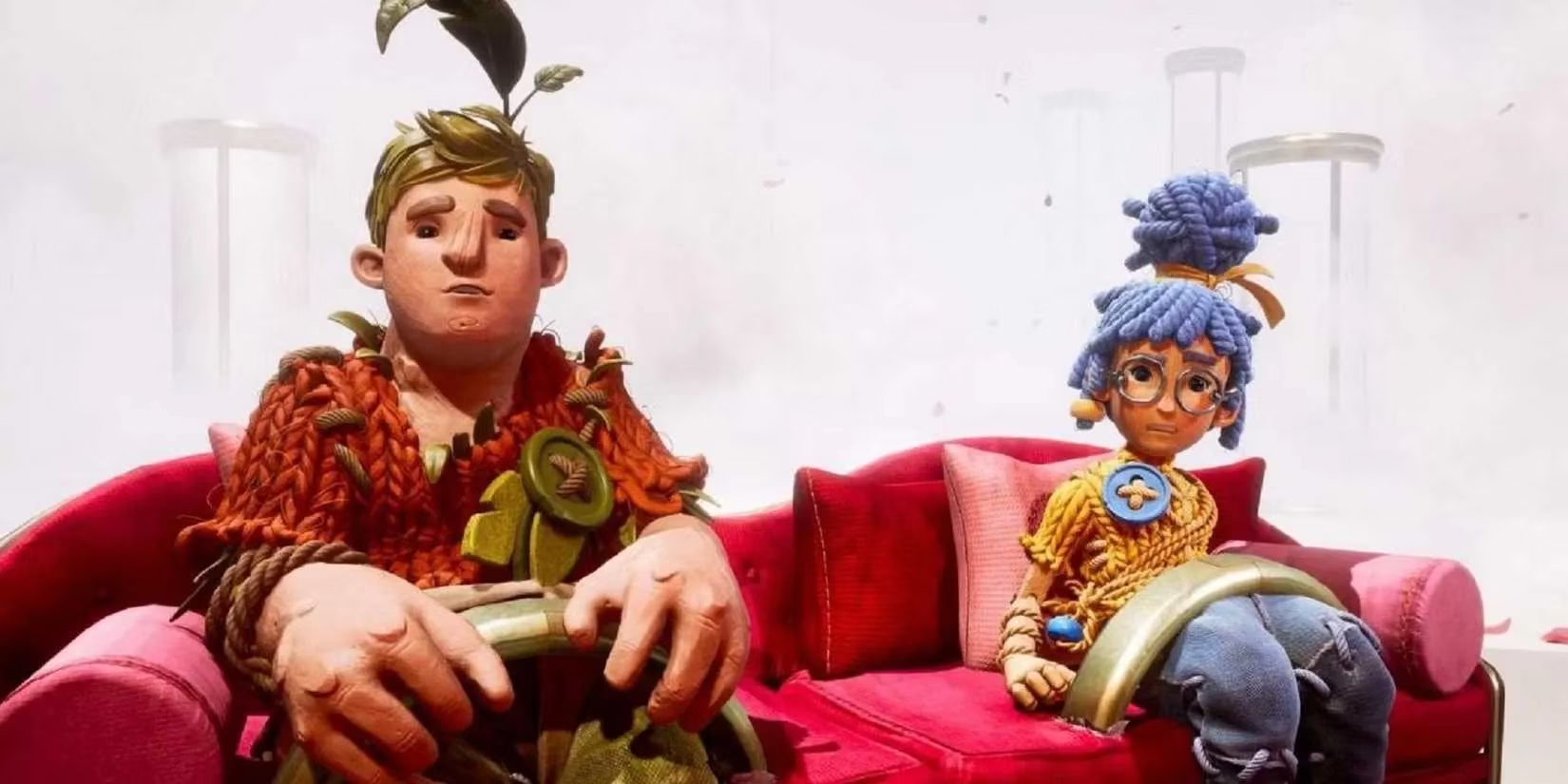
My squad still quotes lines like "Honey, I’m a rockstar!" unironically. Why? Because:
-
🎭 Hokey charm: Characters felt like rejected sitcom extras—and we adored them for it.
-
😂 Shared cringe: Laughing at the game became part of the fun. Bad dialogue? More like bonding material.
-
🎮 Gameplay carried: When the story face-planted, the genius co-op lifted it back up.
That game knew it was silly and leaned in. Split Fiction? It aimed for Shakespeare and landed on a soap opera script read by sleep-deprived robots.
The Drama Trap
Hazelight clearly wanted Split Fiction to be their Citizen Kane of co-op. Zoe and Mio’s strained relationship! The weighty themes! Except... oof. The studio’s strength is gameplay innovation, not Nolan-esque storytelling. Forcing drama felt like watching a golden retriever try ballet—admirable but awkward. 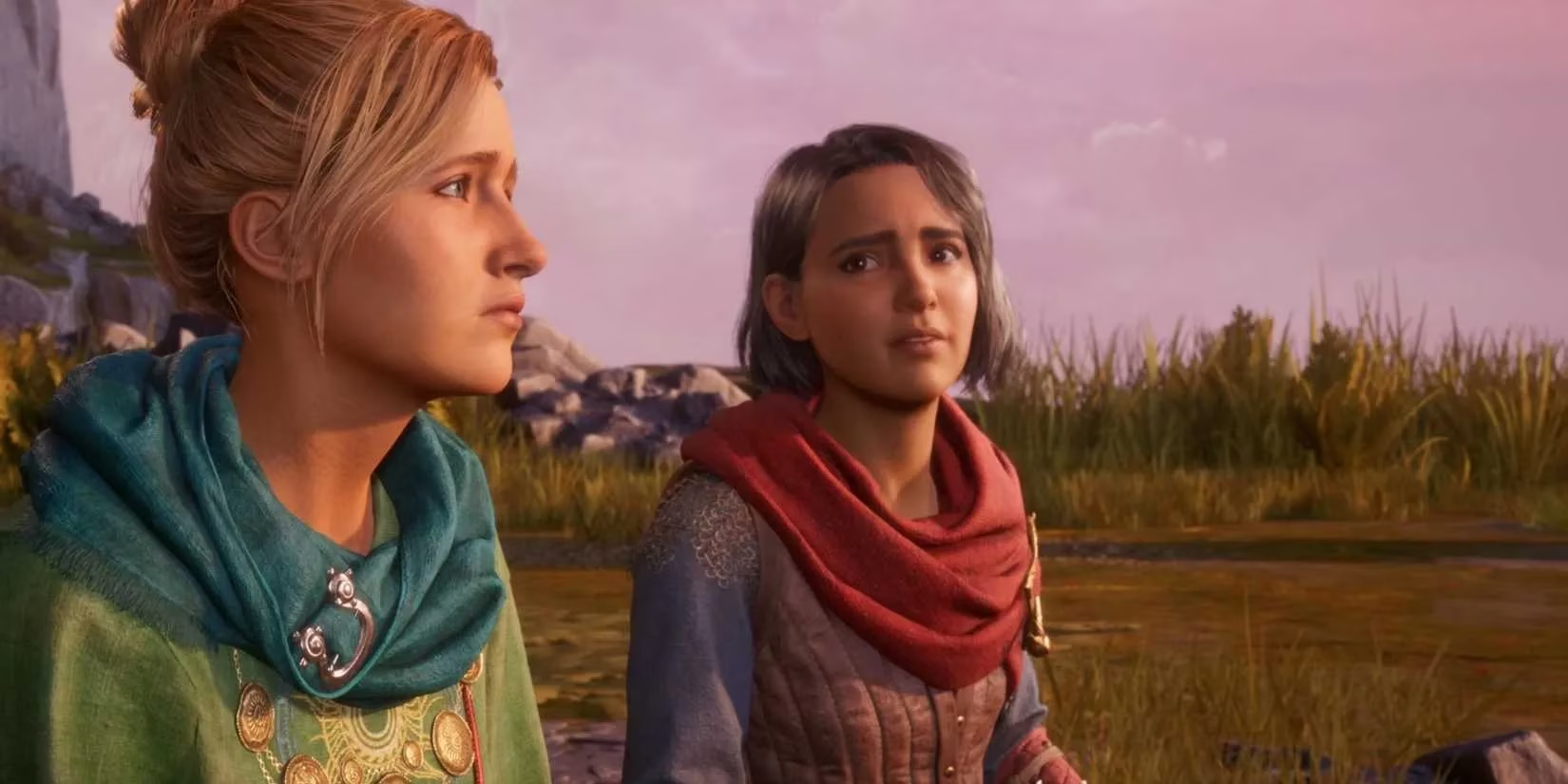
During cutscenes, my friend and I developed a drinking game:
-
Sip when Zoe sighs dramatically
-
Chug when Mio says "we need to talk"
We were tipsy by chapter two.
What Hazelight Needs Next: Embrace the Chaos
Look, I’m not saying they should try to write badly. But Split Fiction proved safe ≠ satisfying. My prescription? Go full Resident Evil. RE’s dialogue is legendary for being awful in the best way—and it’s iconic because Capcom owned it.
Imagine Hazelight’s next game:
-
😜 Campy villains monologuing while you solve physics puzzles
-
💥 Over-the-top set pieces with winking self-awareness
-
🎉 Dialogue so cheesy it needs a wine pairing
That’s the secret sauce! It Takes Two worked because it didn’t take itself seriously. Split Fiction drowned in its own sincerity. Sometimes, "so bad it’s good" beats "so okay it’s forgettable" any day.
Final Thoughts
At the end of our Split Fiction marathon, my buddy turned to me and said, "Remember when that sentient vacuum in It Takes Two made us cry laughing?" We both sighed. Hazelight’s gameplay genius deserves a story that matches its energy—not one that plays it safe. So hey, devs: next time, let your freak flag fly. Give us cringe we can cherish. Because right now? Split Fiction’s story isn’t bad... it’s just wallpaper.